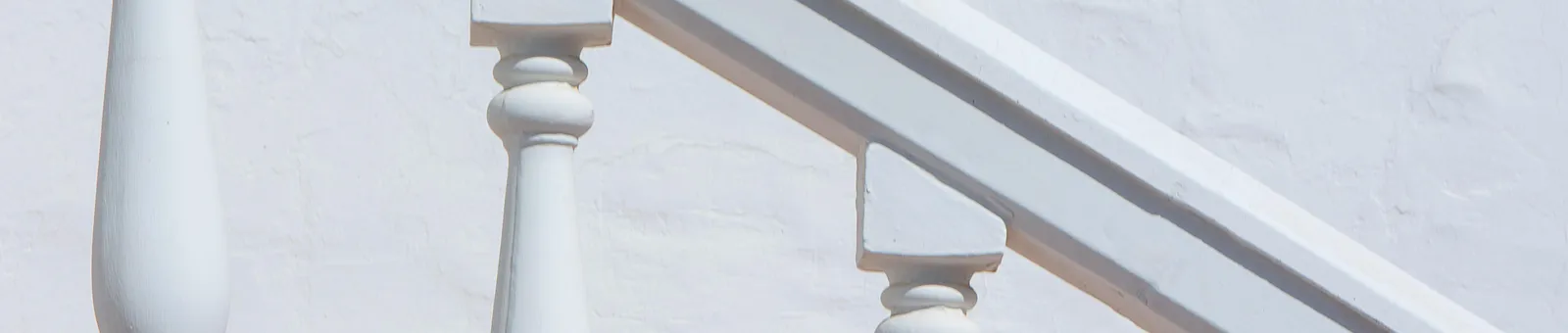
A flight of deck stairs can feel like a confident invitation or a slightly nervous scramble, and the railing is what decides which. It carries real weight in a way most of the deck never does, and it sits right at eye level as people arrive and leave. That combination of load and visibility makes it one of the few parts of the build where engineering and first impressions meet on equal terms.
Ergonomics for the hand
The job of a stair railing is to give support, but for that support to work, the rail has to be comfortable for the human hand to grasp. A railing that is too wide, such as a flat 2x6 board, might look substantial, but it is difficult for many people to wrap their fingers around in a moment of instability.
The most ergonomic handrails typically have a circular or specialized rectangular profile, sometimes with recessed finger grooves. A standard diameter of 1.5 inches (38 mm) to 2 inches (51 mm) is often considered the ideal range. This size lets the hand maintain a firm grip where the fingers and thumb can almost meet. When you descend a flight of stairs, your hand should glide smoothly along the rail without encountering sharp edges or interruptions. The texture of the material also plays a role. A finely sanded wood rail or a powder coated metal pipe gives a tactile experience that feels secure without being abrasive. Prioritizing the shape and feel of the rail keeps the staircase accessible to people regardless of hand size or strength.
The feeling of structural stiffness
There is a real difference between a railing that is merely present and one that feels truly sturdy. When you place your hand on a railing and feel even a slight wobble or flex, your brain immediately registers a sense of caution. A railing that moves has already failed its primary job, regardless of whether it meets code.
Structural stiffness in a stair railing starts with the posts. Unlike the posts on the flat surface of a deck, stair posts are subject to unique leverage forces because they are often attached to the side of the stair stringers. To achieve a rock solid feel, these posts work best when integrated into the frame using heavy duty bolts and metal connectors that prevent the wood from twisting. Adding a little extra blocking in the area where the posts attach can also stiffen things up if the framing feels flexible. When the framework is rigid, the energy of a person leaning on the rail transfers into the foundation of the deck rather than causing the railing to sway.
Lighting and the atmosphere of a safe passage
A staircase keeps working after the sun goes down, and a well designed railing matters more as visibility drops. Modern deck lighting lets you integrate safety features directly into the railing system, creating a passage that is both secure and atmospheric.
A welcoming staircase uses light to define its boundaries. One effective method is to use low voltage LED fixtures mounted to the underside of the handrail itself. This creates a continuous wash of light that illuminates the path and the treads without shining into the eyes of the person walking. Alternatively, small recessed lights can be installed on the railing posts, acting as beacons that guide the way. Beyond the integrated lights, surrounding garden lighting also plays a role. Illuminating nearby trees or shrubs gives a visual frame of reference that helps the brain judge distance and depth in the dark. This combination of task lighting on the stairs and ambient lighting in the garden creates a warm, inviting glow that makes the deck feel accessible at any hour of the night.
Design flow and visual harmony
A deck stair railing should never look like a separate addition, it should feel like a continuation of the deck’s overall design language. Visual harmony like this comes from careful attention to the lines and materials used throughout the project. If the main deck features a specific baluster style or a particular top rail profile, those same elements should carry over into the staircase.
The transition from a horizontal railing to a diagonal one is a unique design challenge. The point where the flat deck railing meets the sloping stair railing is a focal point that calls for precise joinery. A common technique for maintaining design flow is to use a transition post at the top of the stairs where both railings can terminate at the same height. Consistency in the spacing of the balusters, the choice of fasteners, and the finish of the wood ensures that the eye moves smoothly across the structure. When the railing flows seamlessly from the deck to the ground, it creates a sense of enclosure that makes the entire outdoor space feel like a single, unified room.
The value of craftsmanship
In an era of pre-fabricated kits and plastic components, there is still a significant place for traditional craftsmanship in deck building. A well built railing made of high quality timber or heavy duty metal is a long term investment in the value of the home. Traditional materials like Cedar, Redwood, or wrought iron have a timeless appeal that synthetic materials struggle to replicate.
A hand crafted wood railing allows for subtle details that a kit cannot provide, such as custom chamfered edges, decorative post caps, or unique joinery that celebrates the natural beauty of the wood grain. These details are what visitors notice when they walk up the stairs. A traditional railing is also often more repairable than a synthetic one. If a wooden component becomes damaged over time, it can be sanded, filled, or replaced individually, keeping the staircase in peak condition for decades. Quality materials and time tested construction methods produce a structure that prioritizes the safety and comfort of everyone who visits your home.
Bringing it all together
A stair railing that is comfortable to hold, solid under load, and lit well after dark earns a quiet kind of praise. The best railing is one nobody thinks about, because it simply works. That invisibility is the goal. As you plan your design, balance the technical requirements of the building code with the human needs of the people who will use it. Take the time to feel the wood, test the height of the rail, and imagine the flow of movement on a busy summer evening. Whether you are looking out over a garden or welcoming friends for dinner under the stars, the stair railing is the handshake that completes the space.